
Window Well Leaks and Basement Water in Shawnee, KS: A Fall Prevention Guide
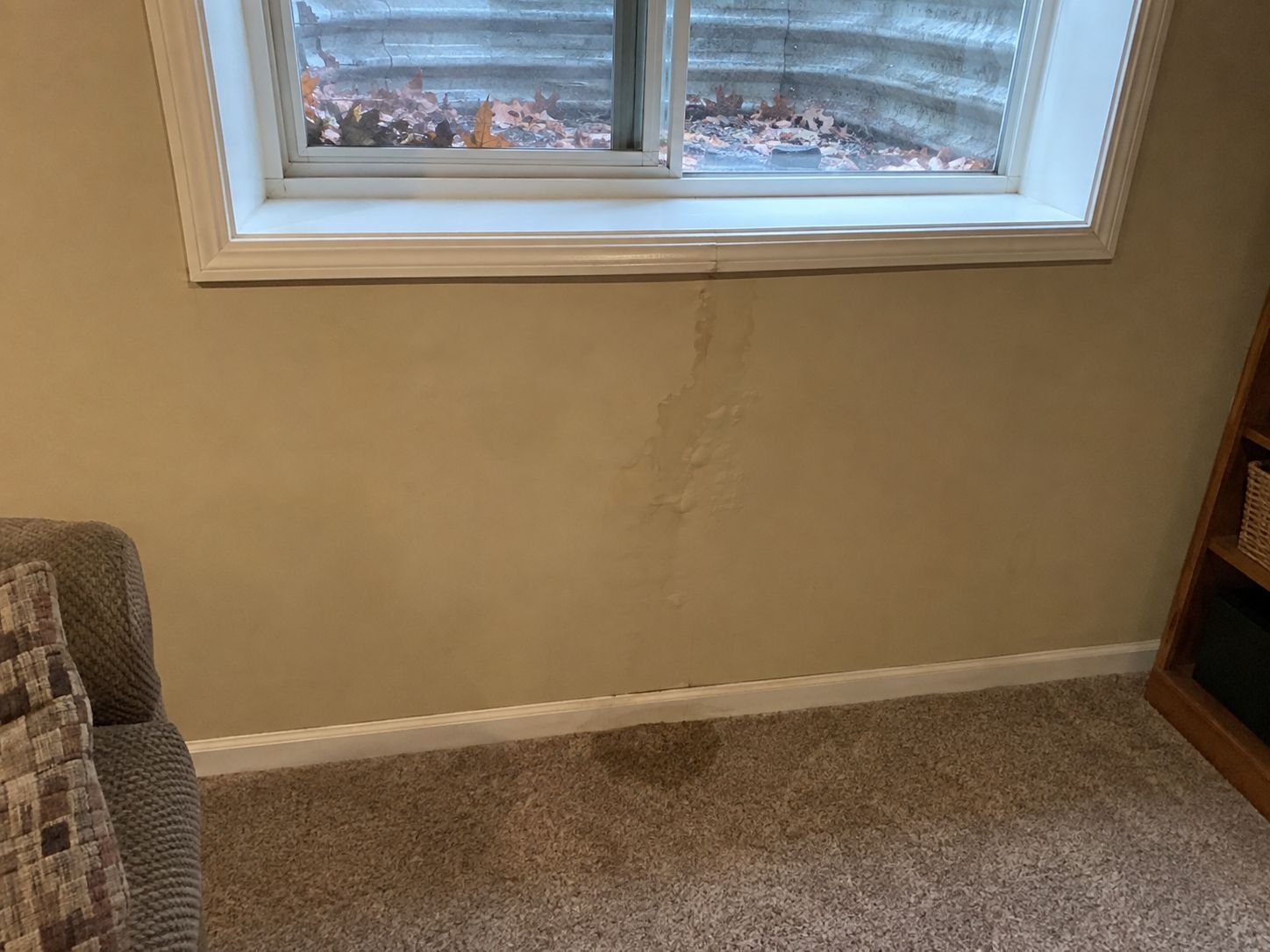
Fall in Shawnee means leaves, and plenty of them. They pack into gutters, plug downspouts, and blow straight into basement window wells. When the next hard rain comes, the well fills like a bucket and water finds its way around the window and down the basement wall.
The last storm showed how fast that can happen. KCTV5 reported that the system that moved through on Sept. 30 and Oct. 1 brought 1 to 4+ inches of rain across its viewing area in 24 hours. Since then the weather has turned quiet. KSHB 41's Oct. 2 weather blog called for sunshine and a drier-than-average stretch heading into mid-October, and the National Weather Service forecast for the Shawnee area shows sunny days in the upper 70s to mid 80s through the weekend. That dry spell is the perfect time to get ready for the next rain.
Still cleaning up from that storm? Start with our guide to water in your basement after heavy rain. This post focuses on window wells: how to keep them from leaking, and what to do if one already has.
Why Window Wells Leak in the Fall
A window well is the metal or plastic liner around a basement window that sits below ground level. Most have gravel and a drain at the bottom so rain soaks away before it reaches the glass. When that path is blocked, water rises and pushes in around the window frame. Common fall culprits:
Leaves clogging the drain. A mat of wet leaves on the gravel slows drainage to a crawl.
Overflowing gutters. Clogged gutters spill water right into or beside the well.
Short downspouts. A downspout that empties at the foundation soaks the soil around the well.
Settled soil. If the ground around the well slopes toward the house, surface water runs straight into it.
Worn seals. The seal between the liner and foundation, or the caulk around the window, can crack over time.
Early-Fall Prevention Checklist for Shawnee Homes
Clean your gutters, and plan to do it more than once. Leaves keep dropping for weeks, so one early-October cleaning may not last until winter. The U.S. EPA's guide to mold and moisture in your home recommends cleaning and repairing roof gutters regularly.
Flush downspouts and add extensions. Run a hose down each one to make sure it flows freely, then add an extension so water lands several feet from the foundation on ground that slopes away.
Clear out every window well. Scoop out leaves and debris down to the gravel, then pour in a bucket of water. If it sits instead of draining, the drain or gravel is likely clogged.
Add window well covers. A clear cover keeps leaves and rain out while letting light in. If the window is an egress (emergency escape) window, choose a cover that can be opened easily from inside.
Check your grading. The EPA advises making sure the ground slopes away from the foundation so water doesn't collect there. Fill low spots near window wells with soil and pack it down.
Bag leaves the right way. The City of Shawnee's yard waste page says curbside yard waste goes in kraft compostable bags or bundles (check with your hauler about service). The city prohibits putting yard waste in the street or curb and gutter, because blocked storm drains can flood streets and property during hard rains. Mulch mowing leaves into the lawn is another option.
Look at the window from inside. Check the frame and the drywall below it for stains, peeling paint, or a musty smell.
What to Do If a Window Well Leaks Into Your Basement
The classic sign is a damp stain on the drywall under a basement window, with a wet patch of carpet below it. Here's what to do.
Put safety first. Stay out of standing water if outlets, cords, or electronics could be wet. If you can safely reach the breaker panel from a dry spot, shut off power to that area. If not, call a pro.
Stop more water from getting in. Bail out water sitting in the well, clear leaves off the drain, and point nearby downspouts away from the house.
Take photos and video. Before cleanup, photograph the well, the window, the wall stain, wet carpet, and anything damaged.
Remove the water. Move belongings off the wet area. A wet/dry vac can handle a small puddle on concrete, but carpet pad holds a lot of water, so a wet spot on top usually means more underneath.
Dry everything within 24 to 48 hours. The EPA says that if wet or damp materials are dried within 24 to 48 hours after a leak, in most cases mold will not grow.
When to Call a Professional
Call for help if:
Water has soaked into carpet pad, drywall, baseboards, or insulation
The stain keeps growing or the area still feels damp after a day or two
You notice a musty smell
You can't safely reach the electrical panel
You want moisture readings and drying records for your files
Window well water often wicks up drywall and spreads under carpet where you can't see it. Professional water extraction pulls water out of carpet and pad, and structural drying uses moisture meters, air movers, and dehumidification to dry walls and floors to safe levels, not just "dry to the touch."
A quick word on insurance: coverage for window well leaks depends on your policy, and your insurer makes that call. Water seeping in from outside is often treated differently than a sudden plumbing leak, so check with your agent. Good photos and drying records help either way.
Blue Valley Water Damage Restoration is IICRC certified and a full-service restoration company partnered with Flood Rewind, so it's one call from water removal through drying and repairs. We help homeowners across Shawnee, along with nearby Lenexa and Merriam.
Window Well Leak FAQ
How can I tell if my window well drain is clogged?
Clear the leaves and pour a bucket of water into the well. If it sits instead of soaking away, the drain or gravel is likely clogged.
Are window well covers worth it?
For many homes, yes. They keep out leaves and much of the rain. Just make sure a cover on an egress window opens easily from inside.
How fast does a wet basement need to dry?
Aim for 24 to 48 hours. The EPA says drying wet materials in that window prevents mold growth in most cases.
Can a window well leak damage drywall even if the carpet looks dry?
Yes. Drywall wicks water upward, and moisture can hide behind baseboards. A moisture meter is the best way to know for sure.
Water Coming In Around a Basement Window in Shawnee?
Don't wait for it to dry on its own. Call Blue Valley Water Damage Restoration at (913) 395-8488. We'll find where the water went, remove it, dry your basement properly, and handle repairs with one call.