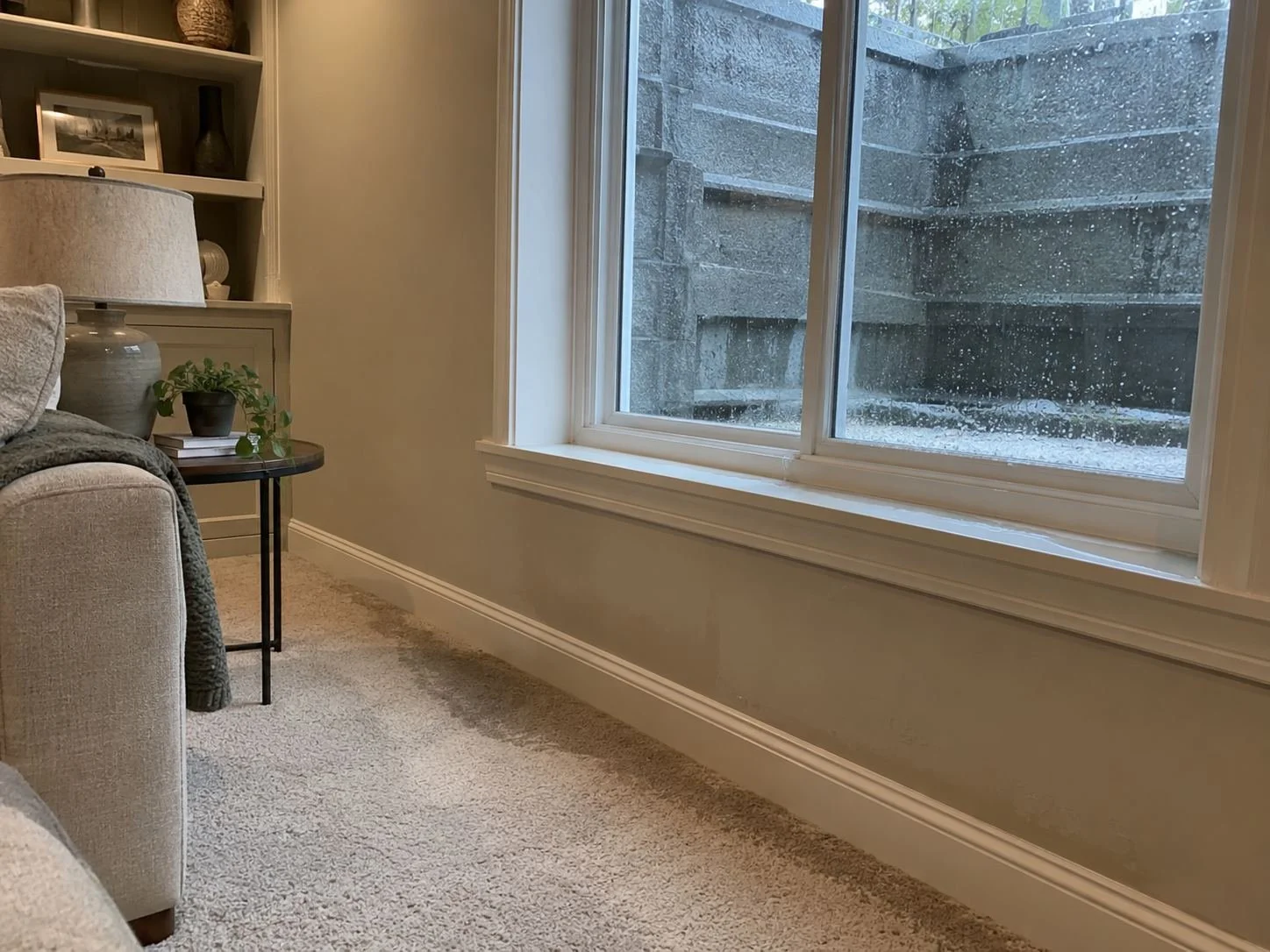
Appliance Leak Water Damage in Johnson County, KS
Washing machines, dishwashers, refrigerators, and ice makers are connected to your water supply around the clock. When a hose bursts or a line cracks, the water keeps flowing until someone notices, often soaking in under cabinets, hardwood, and walls where you can't see it. Blue Valley Water Damage Restoration cleans up appliance leaks, dries the hidden damage, and repairs your floors and cabinets. Call (913) 395-8488
The appliances that leak most often
Washing machines. Rubber fill hoses are one of the most common sources of household water damage. A burst hose releases water at full supply pressure, and an upstairs or main-floor laundry room can flood the floor, the hallway, and the ceiling below in minutes. Clogged drain lines and failed door seals on front-loaders cause slower leaks.
Dishwashers. Leaks from the supply line, the door gasket, or the drain hose connection tend to run under the dishwasher and into the base cabinets and subfloor next to it. By the time you see buckled flooring, the water has usually been there a while.
Refrigerators and ice makers. Thin plastic or copper ice maker lines kink, crack, and loosen. Because the leak is behind the fridge, it can soak hardwood, laminate, or the drywall behind it for weeks.
Water softeners and filtration systems. Fittings and bypass valves in basement utility rooms can leak into nearby finished space.
Window AC units and dehumidifiers. Overflowing condensate pans and drain hoses cause smaller but persistent leaks.
Why appliance leaks get expensive
Appliance leaks usually happen in kitchens and laundry rooms, which are full of materials that don't like water:
- Hardwood and laminate cup, swell, and separate at the seams
- Particleboard and MDF cabinet boxes swell and fall apart once soaked
- Subfloors under tile and vinyl hold water out of sight
- Drywall and baseboards wick water up from the floor
That's why fast water extraction and drying matter. A dishwasher leak caught in a day may mean drying the floor in place. The same leak found a week later can mean new cabinets, countertops, and flooring.
What to do when an appliance leaks
- Shut off the water at the valve behind the appliance, or at the main if you can't reach it.
- Unplug the appliance if you can do so without standing in water.
- Soak up surface water with towels and pull out rugs.
- Open the cabinet doors near a dishwasher or sink so air can get in.
- Photograph the damage and keep the failed hose or line for your insurance claim.
- Call us for a moisture inspection, even if the floor looks dry.
Our appliance leak cleanup process
- Moisture inspection. Thermal imaging and moisture meters show how far water went under flooring, into cabinets, and through walls.
- Water extraction. We remove standing water and pull moisture from carpet and pad.
- Targeted removal. We remove toe kicks, baseboards, or a dishwasher panel to reach hidden water. Cabinets may need to be pulled if water is trapped beneath them.
- Structural drying. Specialized equipment, including hardwood floor drying mats and cavity drying, goes where the water went. Dehumidification keeps the air dry so materials give up moisture faster.
- Repair. Once readings confirm everything is dry, our water damage reconstruction work replaces flooring, cabinets, countertops, trim, and paint as needed.
Preventing the next appliance leak
- Replace rubber washer hoses with braided stainless steel and swap them every five years
- Leave a few inches behind the washer so hoses don't kink
- Use braided ice maker lines instead of thin plastic tubing
- Put a drain pan under washers on upper floors
- Install inexpensive water leak sensors behind the washer, dishwasher, and fridge
- Turn off the washer supply valves when you travel
Help with your insurance claim
Sudden appliance failures, like a burst washer hose, are typically covered by homeowners insurance. The appliance itself, and damage from a slow leak that went unnoticed for a long time, may be treated differently. We document the failed part, the moisture readings, and every affected area, and we can meet your adjuster. We'll explain what we see, but your insurer makes the coverage decision.
Appliance leak cleanup near you
We clean up appliance leaks across Overland Park, Leawood, Shawnee, Prairie Village, and Lee's Summit, MO.
Appliance leak FAQ
My dishwasher leaked but the floor looks fine. Do I need anything done?
It's worth a moisture check. Dishwasher water often runs under the cabinets and into the subfloor, where it can't evaporate. A few minutes with a moisture meter tells you if there's hidden water.
Can water-damaged hardwood floors be saved?
Often, if drying starts quickly. Specialized drying mats pull moisture out of the boards and subfloor. Some cupping may flatten as the wood dries. Boards that crowned or separated badly may need to be replaced.
Do kitchen cabinets have to be replaced after a leak?
Not always. Solid wood cabinets often dry well. Particleboard boxes that swelled usually need replacement. We'll check them and explain the options.
How long does drying take after a washer leak?
Most appliance leaks take two to four days to dry. Leaks that reached hardwood, tile subfloors, or the ceiling below can take longer.
Appliance leak in your kitchen or laundry room?
Shut off the water and call Blue Valley Water Damage Restoration. We'll find the hidden moisture and dry it before it ruins your floors and cabinets. Call (913) 395-8488